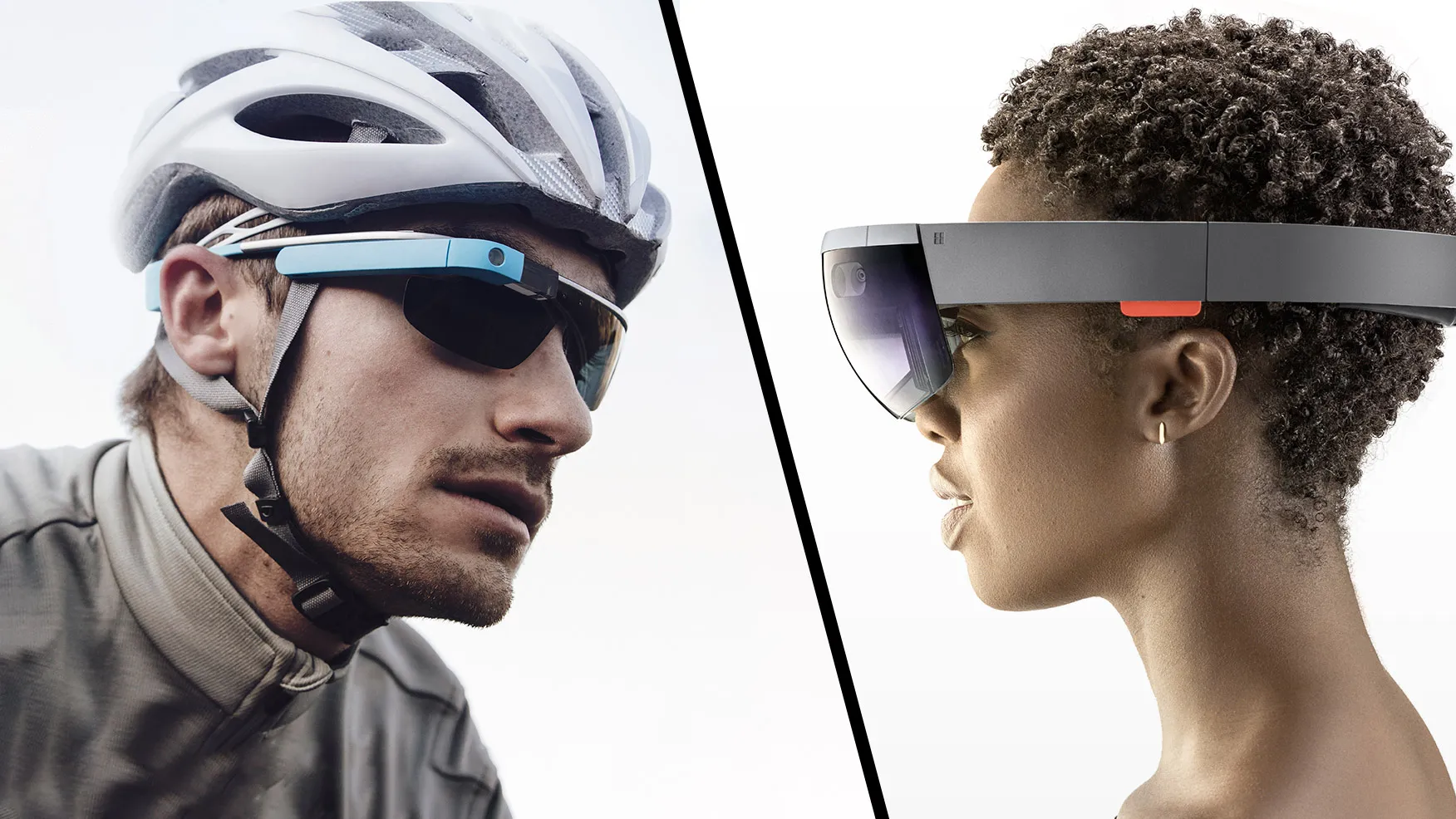
Augmented reality has evolved from experimental technology into mature applications that genuinely enhance productivity, entertainment, and shopping experiences. By 2026, a diverse ecosystem of AR applications spans professional collaboration, competitive gaming, and immersive retail experiences. Here are the essential AR apps across three critical categories that should be part of your digital toolkit.
Productivity and Professional Collaboration
Microsoft Mesh (Enterprise)
Microsoft Mesh, now generally available within Microsoft Teams, represents the most sophisticated spatial computing solution for distributed enterprises. Rather than traditional video calls, Mesh enables teams to meet in shared 3D spaces where participants appear as realistic avatars with preserved body language and spatial context.
Key capabilities include:
- Photorealistic avatars capturing facial expressions and hand gestures
- Shared 3D environments enabling collaborative design and planning
- Spatial audio providing directional sound understanding of speaker location
- Integration with Microsoft 365 applications including PowerPoint and Excel
- Accessibility from PCs and Meta Quest VR devices
Organizations including Accenture, bp, Takeda, and Mercy Ships are leveraging Mesh for complex collaborative work, reporting 20-30% improvements in decision-making speed and 40% reductions in decision-making time.
Best for: Large enterprises, complex design reviews, global team collaboration requiring preserved embodied presence.
Miro (Design and Innovation Teams)
While not exclusively AR, Miro combines collaborative whiteboarding with video conferencing and spatial visualization, bridging traditional tools and immersive collaboration. Teams can create mind maps, diagrams, and visual flows simultaneously while discussing via built-in video conferencing.
Features include:
- Real-time collaborative editing enabling multiple simultaneous contributors
- Integrated video and audio conferencing eliminating context switching
- Infinite canvas enabling unrestricted ideation
- Pre-built templates for common workflows
- Integration with design tools and project management platforms
Best for: Design teams, product managers, innovation departments requiring visual collaborative workspaces.
Slack with AR Integration (Team Communication)
While Slack itself isn’t AR-native, its integration with AR-capable tools and its support for rich media enables enhanced workplace communication. Slack channels increasingly integrate with spatial computing platforms, creating unified communication hubs for distributed teams.
Best for: Quick team communication, status updates, and integration hub connecting diverse collaboration tools.
Gaming and Entertainment
Pokémon GO (Location-Based AR Gaming)
Pokémon GO remains the most successful mainstream AR application, with billions of engagements since 2016. The game overlays creatures onto real-world environments, enabling players to explore neighborhoods while catching virtual creatures.
2025-2026 enhancements include:
- Expanded AR encounters enabling more realistic creature interactions
- Enhanced social features enabling collaborative hunting
- Integration with location-based rewards and real-world events
Best for: Casual players, outdoor enthusiasts, family entertainment requiring physical activity engagement.
Snapchat Lens Studio Experiences (Free AR Content Creation)
Snapchat Lens Studio, available free on Windows and Mac, enables creation of viral AR effects deployable to billions of Snapchat users. The platform includes GenAI Suite capabilities enabling users to generate custom 3D assets through text prompts.
Gaming experiences created within Lens Studio include ghost hunting adventures, spatial puzzles, and interactive storytelling.
Snapchat’s Ghost Phone exemplifies the potential: a Pokémon GO-style game built entirely in Lens Studio using world-scan technology and surface recognition, enabling players to capture ghosts within real-world environments.
Best for: Mobile-first gamers, casual AR experiences, and those seeking cutting-edge AR content without premium subscriptions.
Meta Quest Gaming Ecosystem (Premium VR/AR Gaming)
Meta Quest 3 and 3S devices offer access to hundreds of premium AR/VR games, including Beat Saber, Half-Life: Alyx, and exclusive titles. The Meta Quest 3S at just $299 democratizes access to console-quality gaming experiences.
Best for: Dedicated gamers, those seeking premium visual fidelity and immersive experiences, and players with fiber-optic internet enabling smooth gameplay.
TikTok Effect House (Short-Form AR Content)
TikTok Effect House enables creators to design AR effects for TikTok’s billions of users. The platform integrates directly with TikTok, enabling instant distribution and organic virality.
Best for: Gen Z audiences, trendy content creators, short-form entertainment experiences.
Shopping and Retail Experiences
IKEA Place (Furniture and Home Décor Visualization)
IKEA Place remains the gold standard for furniture AR visualization, enabling customers to place 3D furniture models into real spaces with 98% accuracy scaling. The app includes:
- Access to 3,200+ IKEA products in high-quality 3D
- Real-time lighting adaptation showing accurate color representation
- Multiple product placement enabling full room design
- Comparison views enabling side-by-side assessment
Business results: 14% sales increase and 35% return reduction for users engaging with AR.
Best for: Anyone furnishing or redesigning homes, anyone evaluating furniture scale and fit before purchase.
Sephora Virtual Artist (Beauty and Makeup)
Sephora Virtual Artist uses facial recognition to detect eyes, lips, and cheeks, enabling precise makeup try-ons. Users can:
- Try infinite eyeshadow and lipstick combinations
- See custom tutorials mapped to their specific faces
- Receive personalized product recommendations
- Access exclusive beauty content
User satisfaction: Dramatically increased engagement and reduced return rates for makeup products.
Best for: Beauty enthusiasts, anyone uncertain about makeup shades or application styles, those seeking personalized beauty guidance.
Warby Parker Virtual Try-On (Eyewear)
Warby Parker enables users to visualize eyeglass frames on their faces using AR technology. Key features include:
- Real-time AR visualization of different frames
- Precise facial detection ensuring accurate frame positioning
- Support for various face shapes and sizes
- Seamless integration with purchase workflow
Best for: Anyone shopping for eyeglasses online, those uncertain about frame selection and fit.
Wayfair AR Experience (Multi-Category Furniture and Décor)
Wayfair extends beyond IKEA by integrating products from multiple retailers. The app features:
- LiDAR integration on compatible devices enabling more precise object placement
- Real-time lighting adjustment showing accurate product appearance
- Multiple simultaneous product placement enabling complete room staging
- Comprehensive furniture, décor, and appliance catalog
Best for: Those shopping furniture from diverse retailers, anyone designing complete room transformations.
Overly App (Tattoo and Cosmetic Visualization)
Overly enables users to preview tattoo designs on their bodies before committing. The app features:
- High-quality tattoo design visualization
- Precise body placement mapping
- Color and size customization
Best for: Those considering tattoos, anyone wanting to visualize designs before commitment.
MirrAR (Jewelry and Accessories)
MirrAR enables virtual try-ons for jewelry, watches, and accessories with 360-degree views. Features include:
- Real-time product visualization on users’ bodies
- Comparison engine enabling side-by-side assessment
- Compatible with both online and in-store shopping
Best for: Jewelry shoppers, those seeking accessory visualization before purchase.
GlamAR (Makeup and Beauty)
GlamAR offers accurate makeup try-ons through live video and photo modes. Features include:
- Real-time fitting and positioning
- E-commerce integration enabling direct purchasing
- Reduced return rates through improved pre-purchase confidence
Best for: Beauty and cosmetics shopping, those wanting makeup try-on accuracy.
ASOS “See My Fit” (Fashion Try-On)
ASOS partnered with Zeekit to create “See My Fit,” enabling virtual clothing try-ons. Features include:
- Real-time photography with diverse models in sizes 4-18
- Weekly updates with 800+ new products
- Body-shape-specific recommendations
- Realistic fit visualization across different body types
Best for: Fashion shoppers, those seeking accurate fit visualization before purchase.
Google Lens (Universal AR Search)
Google Lens functions as a universal AR search engine, enabling visual search across numerous categories. Simply point your camera at objects to:
- Identify plants, insects, and animals
- Translate text in foreign languages
- Search for products and similar items
- Identify landmarks and locations
- Find restaurants from food images
Best for: Travelers, students, curious learners, anyone seeking information about real-world objects.
Microsoft Math Solver (Educational AR)
Microsoft Math Solver enables solution of complex math and science problems through simple photography. Features include:
- Photo-based problem solving
- Step-by-step solution breakdowns
- Free access without memberships or ads
- Support for multiple problem types
Best for: Students, educators, anyone tackling mathematics or science problems.
Comparative Analysis by Category
Productivity Champions:
| App | Best For | Cost | Key Advantage |
|---|---|---|---|
| Microsoft Mesh | Enterprise collaboration | Teams subscription | Photorealistic avatars, spatial audio |
| Miro | Design and innovation | $12-96/month | Infinite collaborative canvas |
| Slack | Team communication | $8-15/user/month | Universal integration hub |
Gaming Leaders:
| App | Type | Cost | Best For |
|---|---|---|---|
| Pokémon GO | Location-based | Free (with IAP) | Outdoor casual gaming |
| Snapchat Lens Studio | Social gaming | Free | Viral trend participation |
| Meta Quest Games | Premium VR/AR | $300+ hardware | Console-quality experiences |
| TikTok Effects | Short-form AR | Free | Trending content creation |
Shopping Experiences:
| App | Category | Specialty | Return Impact |
|---|---|---|---|
| IKEA Place | Furniture | Highest accuracy scaling | 35% return reduction |
| Sephora Virtual Artist | Beauty/Makeup | Facial recognition precision | Significantly reduced |
| Warby Parker | Eyewear | Frame fit visualization | Enhanced confidence |
| Wayfair | Multi-category | Diverse retailer integration | 31% conversion increase |
| ASOS “See My Fit” | Fashion | Body-shape specific | Accurate fit prediction |
Strategic Recommendations by User Profile
For Remote Workers:
- Primary: Microsoft Mesh (if enterprise-enabled) or alternative: Miro for collaborative design work
- Secondary: Slack for team communication
- Recreational: Pokémon GO for work-break outdoor activity
For Creative Professionals:
- Primary: Miro for collaborative ideation
- Secondary: Google Lens for visual reference gathering
- Creative outlet: Snapchat Lens Studio for AR content creation
For Gamers:
- Primary: Meta Quest gaming ecosystem (if headset available) or Pokémon GO (mobile)
- Secondary: TikTok Effects for casual AR experiences
- Experimental: Snapchat Ghost Phone or similar location-based AR games
For Shoppers:
- Furniture/Home: IKEA Place or Wayfair
- Beauty: Sephora Virtual Artist or GlamAR
- Fashion: ASOS “See My Fit”
- Eyewear: Warby Parker
- Accessories: MirrAR for jewelry and watches
Implementation Roadmap
Week 1: Exploration
Download and explore apps relevant to your interests. Spend 15-30 minutes understanding each app’s core functionality.
Week 2: Practical Application
Begin using apps for actual use cases: using Sephora Virtual Artist for makeup shopping, IKEA Place for furniture visualization, or Microsoft Mesh for team collaboration if enterprise access available.
Week 3: Integration
Integrate preferred apps into regular workflows. Make AR visualization standard for shopping, incorporate Miro for collaborative work, use Pokémon GO for routine exercise.
Ongoing: Expansion
Based on experience, expand to complementary apps addressing additional needs.
Future Outlook: 2026-2027 Evolution
By 2027, AR app ecosystems will likely feature:
- AI-powered personalization: Apps learning user preferences and tailoring experiences accordingly
- Cross-app integration: Seamless data sharing between productivity, shopping, and entertainment apps
- Advanced haptic feedback: More realistic touch sensations in virtual try-ons and collaborative experiences
- Enhanced accessibility: Better support for users with disabilities ensuring inclusive AR experiences
- Privacy-first design: Standardized data protection and transparent privacy policies across major platforms
The AR app landscape in 2026 has matured into practical, feature-rich applications delivering genuine value across productivity, entertainment, and shopping. The most successful users will adopt apps matching their specific needs rather than attempting universal adoption.
Start with categories aligning to your primary interests—productivity professionals should begin with Microsoft Mesh or Miro, gamers with Pokémon GO or Meta Quest ecosystems, and shoppers with category-specific apps (IKEA Place for furniture, Sephora for beauty). After establishing comfort with initial apps, gradually explore complementary applications as workflows evolve.
The future belongs to users who strategically leverage AR to augment their existing activities rather than treating these applications as novelties. Download an app aligned to your interests today and discover how augmented reality can genuinely enhance your productivity, entertainment, and shopping experiences.